 admin
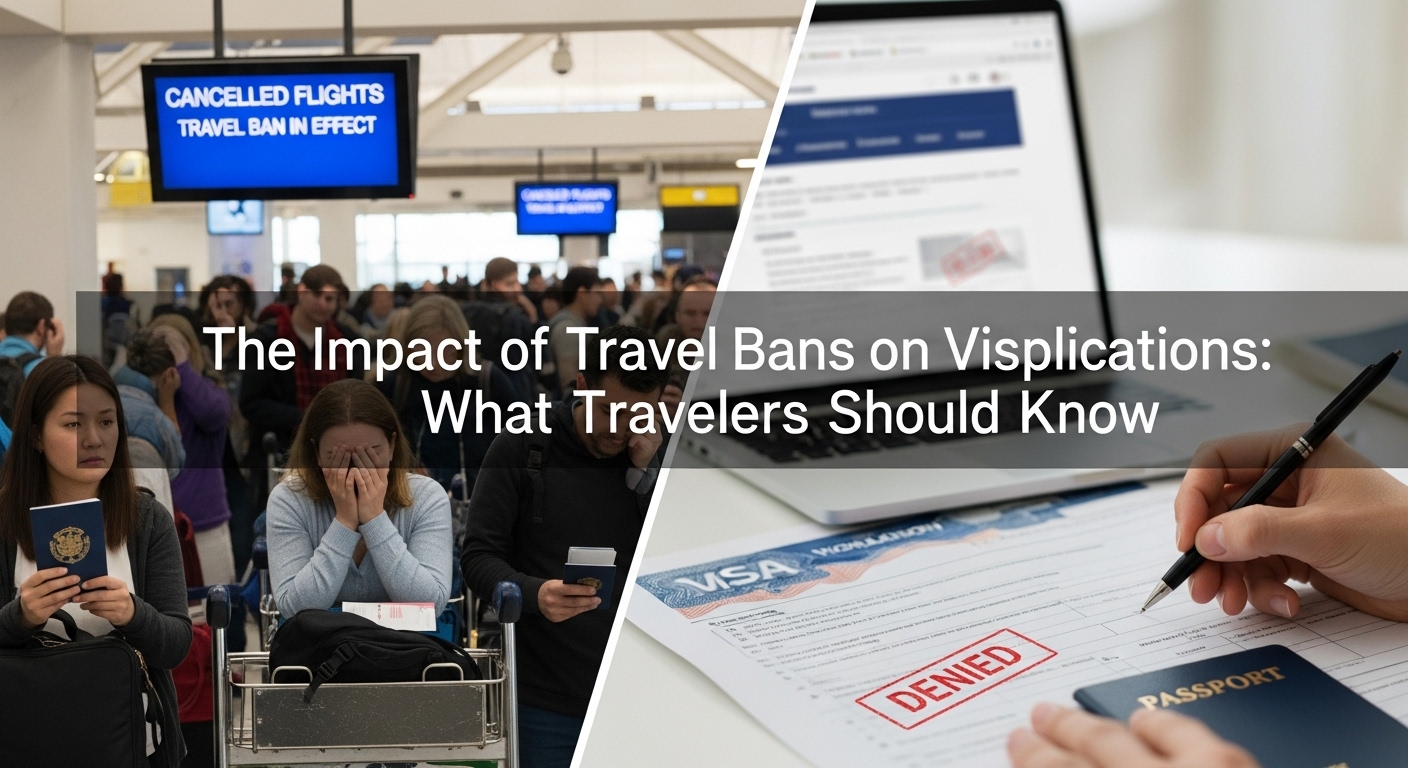
adminThe impact of travel bans on visa applications is often underestimated until an application is delayed, refused, or silently placed under administrative review. For international students—especially those from Africa—a sudden travel restriction can derail study plans, scholarship timelines, and long-term migration goals.
In this guide, you’ll learn how travel bans influence visa approvals, processing times, student visa decisions, and what practical steps you can take to protect your application—even during periods of global restriction.
This guide breaks it all down in plain language. You’ll learn how travel bans affect visa applications, who is most impacted, what immigration officers actually check, and—most importantly—what you can do to protect your chances.
Whether you’re applying for a study visa, tourist visa, or scholarship-linked travel document, this article will help you make smarter, safer decisions.
What Are Travel Bans and Why Do They Exist?
Governments often underestimate how deeply the impact of travel bans on visa applications affects genuine students and first-time travelers.
For many applicants, the impact of travel bans on visa applications goes beyond delays and directly influences approval decisions.
A travel ban is a government policy that restricts entry, exit, or transit of people from specific countries or regions.
These bans are usually introduced due to:
- Security concerns
- Public health emergencies (e.g., pandemics)
- Diplomatic disputes
- High visa overstay or asylum rates
- Political instability
Travel bans can be:
- Total (no visas issued at all)
- Partial (certain visa types affected)
- Conditional (extra screening or requirements)
Why This Matters Now
In recent years, global mobility has become more unpredictable. Countries update visa rules frequently—sometimes without public notice. Students applying months in advance may suddenly fall under new restrictions.
If you’re an African student or first-time visa applicant, understanding travel bans is no longer optional—it’s essential.
Who Is Most Affected by Travel Bans?
Travel bans don’t impact everyone equally. Based on visa data trends, the most affected groups include:
- International students from developing countries
- First-time visa applicants
- Scholarship recipients with tight timelines
- Applicants from countries with high overstay statistics
- Travelers applying for short-term visas (tourist/business)
If you’re applying from Africa, South Asia, or parts of the Middle East, your application is more likely to face additional scrutiny during a ban period.
How Travel Bans Affect Visa Applications (In Real Terms)
1. Visa Processing Delays
Even if visas are still being issued, travel bans often slow down processing. Applications may be placed under:
- Extended background checks
- Administrative processing
- Security reviews
What normally takes 3–6 weeks can stretch to several months.
2. Higher Visa Rejection Rates
During travel bans, embassies become more conservative. Common rejection reasons increase, including:
- “Insufficient ties to home country”
- “Purpose of travel not credible”
- “High risk of overstay”
Your profile may be strong—but the policy environment works against you.
3. Suspension of Certain Visa Categories
Some bans target specific visa types, such as:
- Tourist visas
- Short-term study visas
- Exchange or cultural programs
Student visas are sometimes exempt—but not always fully protected.
4. Impact on Scholarship and Admission Timelines
This is where many students suffer silently.
Even with:
- Full admission
- Fully funded scholarships
- Official sponsorship letters
A travel ban can delay visa issuance beyond your program start date—forcing you to defer or lose the opportunity.
5. Increased Documentation Requirements
Applicants may suddenly be asked for:
- Additional bank statements
- Proof of travel history
- Police clearance certificates
- Detailed study or travel plans
Missing any of these can result in refusal.
Step-by-Step Guide to Applying Despite the Impact of Travel Bans on Visa Applications
Applying strategically is essential when dealing with the impact of travel bans on visa applications.
This step-by-step approach helps reduce the negative impact of travel bans on visa applications, especially for students.
Travel bans don’t always mean “don’t apply.” But you must apply strategically.
Step 1: Confirm the Type of Ban
Before applying, verify:
- Is your country fully banned?
- Are student visas exempt?
- Are applications accepted but delayed?
Check official embassy announcements—not social media rumors.
Step 2: Strengthen Your Application File
During bans, weak applications are rejected quickly.
You should prepare:
- Clear statement of purpose
- Strong proof of return ties
- Consistent financial documents
- Verified academic records
Avoid assumptions. Immigration officers assume nothing.
Step 3: Apply Early—Earlier Than Normal
If programs recommend applying 3 months early, apply 6–9 months early during restriction periods.
Time is your biggest protection.
Step 4: Prepare for Interviews Carefully
Visa interviews during bans are tougher.
Expect questions like:
- Why this country now?
- Why not study locally?
- What guarantees your return?
Practice honest, structured answers—never emotional or defensive ones.
Step 5: Have a Backup Plan
Smart applicants:
- Apply to multiple countries
- Choose schools with flexible start dates
- Prepare deferment options
Hope is good. Strategy is better.
Common Mistakes That Worsen the Impact of Travel Bans on Visa Applications
Many refusals happen because applicants underestimate the impact of travel bans on visa applications and submit weak or rushed documents.
Many rejections happen because applicants panic or guess.
❌ Applying Without Checking Current Restrictions
Policies change weekly. Never assume last year’s rules apply.
❌ Submitting Incomplete Documents
During bans, embassies rarely request missing documents—they reject.
❌ Using Fake or Borrowed Documents
This leads to long-term bans, not just refusal.
❌ Ignoring Visa History Issues
Past overstays or refusals matter more during restriction periods.
❌ Relying on “Agents” for Inside Information
If it’s not from an official embassy source, treat it as unreliable.
FAQs About the Impact of Travel Bans on Visa Applications
1. Can I apply for a student visa during a travel ban?
Yes—sometimes. Many bans exempt student visas, but processing may be slower and stricter.
2. Do travel bans automatically mean visa rejection?
No. They increase scrutiny but do not guarantee refusal if your profile is strong.
3. Are African countries more affected by travel bans?
Statistically, yes—especially for tourist and short-term visas due to overstay concerns.
4. Will a travel ban affect my scholarship offer?
Indirectly. Delayed visas can cause missed deadlines or forced deferments.
5. Should I wait until a ban is lifted before applying?
Not always. If student visas are still accepted, applying early may be smarter.
6. Can a visa refusal during a ban affect future applications?
Yes. Rejections remain on record, so apply only when properly prepared.
Why Understanding Travel Bans Gives You an Advantage
Most applicants focus only on documents. Smart applicants understand policy context.
When you know:
- How travel bans influence decisions
- What embassies are cautious about
- How to adapt your strategy
You stop applying blindly—and start applying intelligently.
This knowledge alone can separate successful applicants from repeated refusals.
Conclusion: Don’t Let Travel Bans Catch You Unprepared
By understanding the impact of travel bans on visa applications, students and travelers can adapt early and protect their opportunities.
Students who succeed during restriction periods are not luckier—they are better informed and better prepared.
If you’re planning to:
- Study abroad
- Apply for scholarships
- Travel for education or opportunity
Then understanding how travel bans affect visa applications is one of the smartest investments you can make.
👉 Bookmark this guide, share it with other students, and explore more visa and scholarship resources on Bingkobo.com to stay ahead of policy changes.

 admin
admin