 admin
adminIntroduction
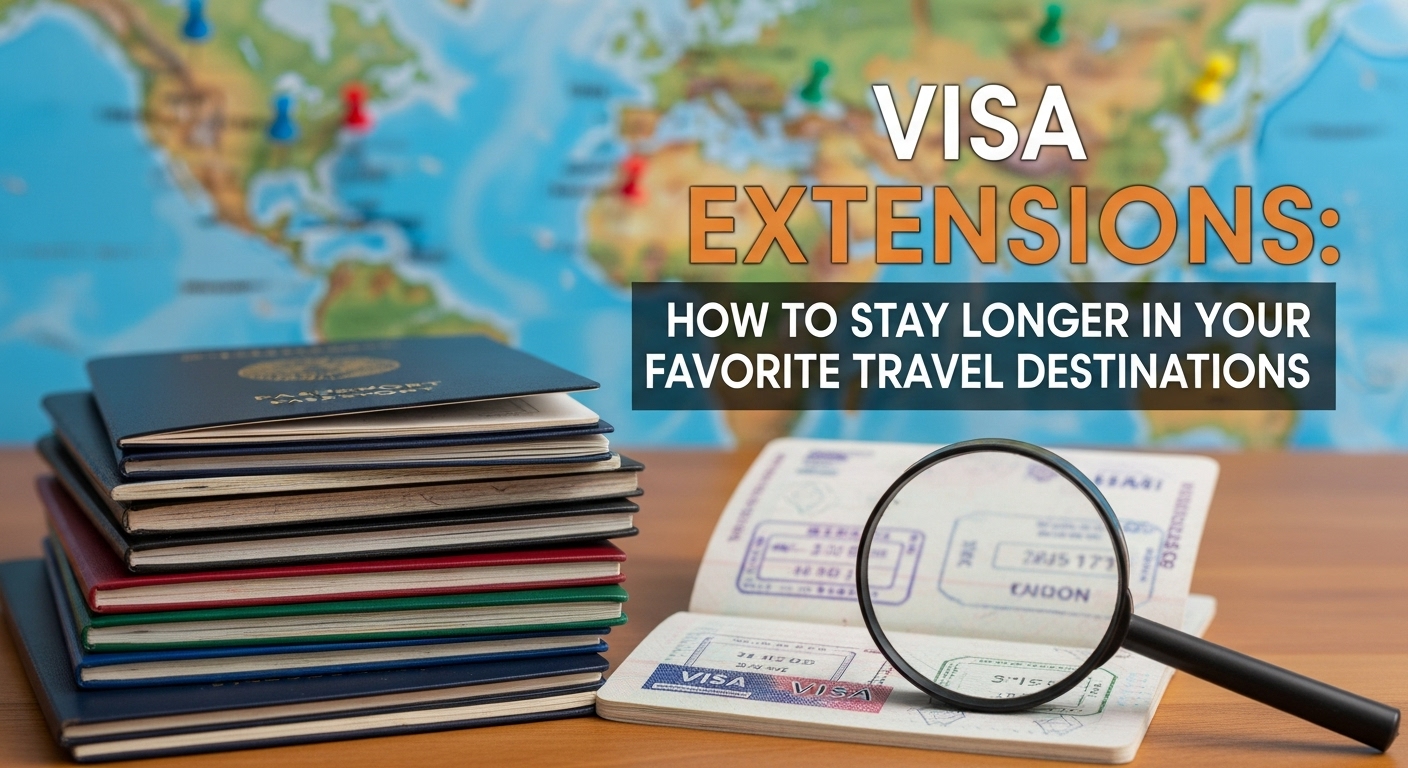
Visa extensions are crucial for anyone wishing to stay longer in a foreign country. Imagine immersing yourself in a new culture, making lifelong friends, and pursuing exciting academic opportunities, only to realize your visa is about to expire. Panic sets in. But don’t worry! In this guide, we’ll walk you through the essential steps to extend your visa, providing clarity and actionable tips tailored for students and international travelers, especially those from Africa.
Whether you’re pursuing studies, internships, or simply want to explore, understanding visa extensions is key to maximizing your international experience.
Background / Overview
Visa extensions are crucial for anyone wishing to stay longer in a foreign country. With changing immigration policies and global circumstances, knowing how to navigate the visa extension process can open doors to incredible opportunities.
Why It Matters Now
As travel restrictions ease and educational opportunities expand worldwide, many students and young travelers are eager to explore new cultures and enhance their academic journeys. However, understanding visa regulations is more important than ever, especially for students seeking scholarships and international experiences.
Who Should Read This
- Students pursuing fully funded scholarships
- International students, particularly from Africa
- First-time study-abroad applicants
- Travelers interested in long-term stays
Understanding Visa Extensions
What Is a Visa Extension?
A visa extension allows you to legally extend your stay in a foreign country beyond the original expiration date of your visa. This can vary in duration and requirements depending on the country you are in.
Why Extend Your Visa?
- Pursue Educational Opportunities: Continue your studies without interruption.
- Explore New Cultures: Spend more time immersing yourself in the local culture.
- Internships or Work Opportunities: Take advantage of internships or job offers that may arise during your stay.
Eligibility for Visa Extensions
- Student Visa Holders: Often eligible if you’re enrolled in a recognized institution.
- Tourist Visa Holders: May be eligible depending on the country’s policies.
- Work Visa Holders: Usually have specific guidelines based on employment status.
Step-by-Step Application Guide
1. Research Your Destination’s Visa Policies
Before diving into the extension process, familiarize yourself with the visa policies of the country you’re in. Each country has unique regulations that can change frequently.
2. Gather Necessary Documents
Prepare the following documents for your application:
- Valid Passport: Ensure your passport is valid for at least six months beyond your intended stay.
- Current Visa: A copy of your current visa.
- Proof of Enrollment: If you’re a student, provide documentation from your educational institution.
- Financial Statements: Evidence of sufficient funds to cover your extended stay.
- Application Form: Complete the specific form required for visa extensions; this can usually be found on the immigration website of the country.
3. Submit Your Application
- Online or In-Person: Depending on the country, you may need to submit your application online or visit a local immigration office.
- Pay the Fees: Be prepared to pay any applicable fees for the extension.
4. Wait for Processing
Processing times can vary, so apply well in advance of your visa’s expiration date. Keep a copy of your application and any receipts as proof.
5. Receive Your Decision
Once your application is processed, you’ll receive notification of approval or denial. If approved, ensure you understand any new conditions associated with your extended visa.
Common Mistakes to Avoid
- Missing Deadlines: Always apply for your extension before your current visa expires.
- Incomplete Applications: Double-check that all required documents are included.
- Ignoring Local Laws: Different countries have diverse rules; ensure you understand them fully.
- Failing to Maintain Status: Ensure you meet the requirements for maintaining your visa status throughout your stay.
Frequently Asked Questions (FAQs)
1. How early can I apply for a visa extension?
It depends on the country, but typically 30-60 days before your visa expires is recommended.
2. What if my visa extension is denied?
If denied, you must leave the country before your current visa expires. Check if you can appeal the decision.
3. Can I work while my extension is pending?
Working while your visa extension is pending depends on your current visa type. Always check local regulations.
4. Are there specific scholarships that assist with visa extensions?
Some scholarships may offer support or guidance on visa issues, but it’s essential to check the terms of each scholarship.
5. What are the costs associated with visa extensions?
Costs vary by country and visa type; always check the official immigration website for accurate information.
Conclusion
Extending your visa can be a straightforward process if you follow the right steps and stay informed. By understanding how to navigate the visa extension landscape, you can maximize your time abroad, pursue educational opportunities, and immerse yourself in new cultures.
Don’t let your dream destination slip away—take action today! Bookmark this guide, share it with fellow students, and start planning your next steps. For more insights on scholarships and study abroad programs, explore our other articles on Bingkobo.com.

 admin
admin