 admin
adminIntroduction
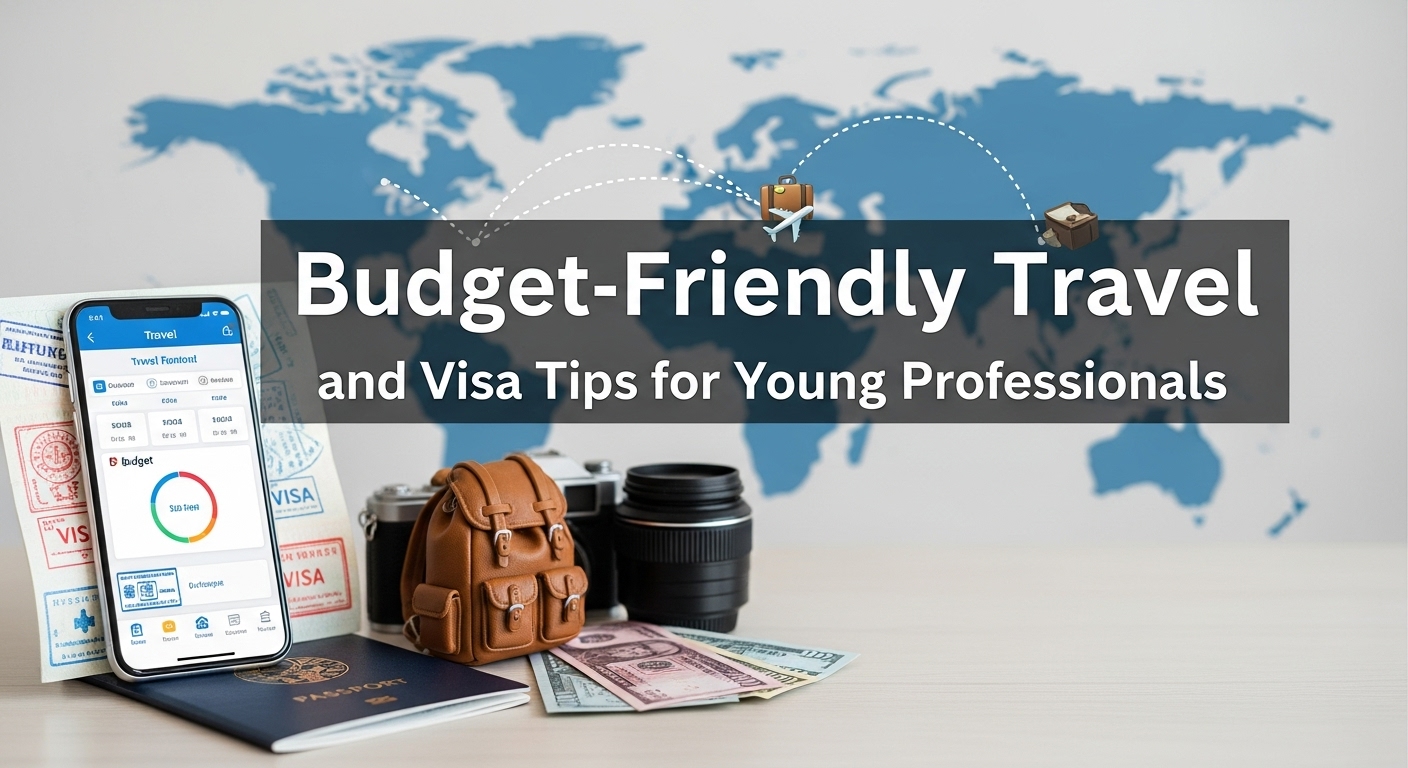
Traveling internationally as a young professional can be exciting—but it can also strain your wallet if you’re not careful. From visa applications to flights, accommodation, and daily expenses, costs can quickly add up.
But here’s the good news: with careful planning and practical strategies, you can travel affordably and still enjoy a smooth visa process. This guide is tailored for ambitious young professionals, especially African students and early-career workers, who want to explore the world without breaking the bank.
By the end of this article, you’ll know how to save money, avoid common visa pitfalls, and plan trips that are both cost-effective and hassle-free.
Why Budget-Friendly Travel Matters
International experience can boost your career, expand your network, and provide cultural insights that are invaluable. However, financial stress and visa complications can overshadow these benefits if you’re unprepared.
Who Should Read This Guide
- Young professionals planning international travel
- Students seeking work or study abroad opportunities
- African travelers looking for cost-effective strategies
- Anyone navigating visa processes for the first time
Main Sections
1. Plan Your Travel Early
- Book flights in advance: International tickets are often cheaper 2–3 months before departure.
- Use flight comparison tools: Websites and apps like Skyscanner or Google Flights help find deals.
- Travel in off-peak seasons: Avoid holidays or peak tourist periods when prices spike.
Tip: Flexibility with dates can save hundreds of dollars.
2. Choose Affordable Accommodation
- Hostels and guesthouses: Ideal for short-term stays and networking.
- University dorms or student housing: Great for study abroad programs.
- Shared apartments or Airbnb: Reduces costs for longer trips.
Example: In Europe, staying in student dorms can cut accommodation costs by 50% compared to hotels.
3. Budget Your Daily Expenses
- Cook instead of eating out: Grocery stores are cheaper than restaurants.
- Use public transportation: Subways, buses, and bikes are far cheaper than taxis.
- Look for free activities: Museums, walking tours, and cultural events can be budget-friendly.
4. Prepare Your Visa Efficiently
- Research visa requirements early: Know exactly what documents are required.
- Avoid premium services unless necessary: Standard processing is usually sufficient.
- Keep digital and physical copies: Missing documents can cause delays or extra costs.
- Consider multi-entry visas: Useful for nearby travel and saving on multiple visa fees.
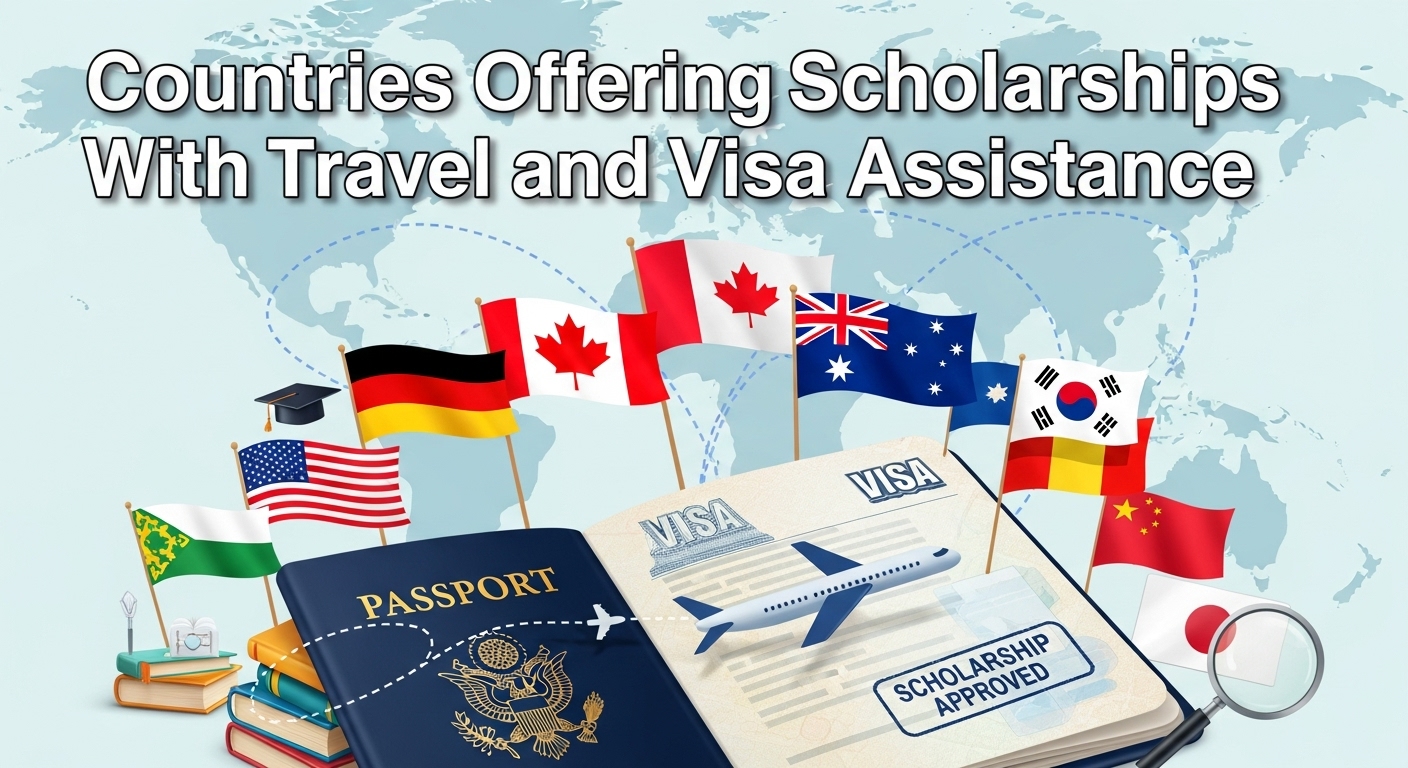
5. Leverage Scholarships and Grants
Some scholarships and professional programs include travel stipends or visa support:
- Study abroad scholarships often cover flights and living costs.
- Internship programs abroad may offer relocation assistance.
- Cultural exchange initiatives sometimes reimburse visa or travel expenses.
Pro tip: Check program websites regularly—new funding opportunities open every year.
Step-by-Step Guide to Budget-Friendly Travel
- Research destination costs: Flights, accommodation, visa fees.
- Prepare documents early: Passport, visa application, financial proof.
- Apply for visas strategically: Avoid rush processing and extra charges.
- Book travel and accommodation: Compare prices and look for discounts.
- Plan daily budget: Groceries, transport, leisure activities.
- Monitor exchange rates: Convert money when rates are favorable.
Common Mistakes to Avoid
- Booking last-minute flights: Expensive and stressful.
- Neglecting visa requirements: Can lead to rejection or delays.
- Ignoring hidden costs: Travel insurance, baggage fees, and local taxes.
- Overestimating budgets: Plan realistically to avoid running out of funds.
Frequently Asked Questions (FAQs)
Q1: How much should I budget for an international trip as a young professional?
A: Costs vary by country, but a monthly budget of $800–$1,500 is a reasonable starting point, including accommodation, food, and transportation.
Q2: Can scholarships cover travel and visa fees?
A: Yes, many fully funded scholarships or internships provide travel stipends and visa support.
Q3: What’s the cheapest way to apply for a visa?
A: Submit documents online or directly at the embassy, avoid premium services, and prepare a complete application to avoid additional charges.
Q4: How can I reduce accommodation costs?
A: Consider hostels, shared apartments, student housing, or short-term rentals instead of hotels.
Q5: Are there apps to help manage travel budgets?
A: Yes—apps like Trail Wallet, Mint, or TravelSpend help track expenses and plan efficiently.
Conclusion
Traveling internationally doesn’t have to drain your finances. With smart planning, careful budgeting, and proactive visa management, young professionals can explore new countries, gain valuable experiences, and enhance their careers.
Start planning today, use these tips, and enjoy affordable, stress-free international travel without compromising on the adventure or your professional growth.

 admin
admin